We all have our personal family traditions to uphold during the holidays, and then we have the traditions that are customary in our country--such as elaborate lighting decorations, immaculate present wrapping, leaving cookies for Santa, etc. What truly fascinates me is the variations of these traditions that are common in other countries. I was reading a column from Rick Steves--one of my favorite travel experts--in the Chicago Tribune, and he was talking about how Christmas is celebrated in other parts of the world. I recall being in Italy as November slowly transitioned into December, and the holiday spirit began to emanate throughout Rome. While I grew just as excited for the season as I normally do, it was odd--and pleasant--to be surrounded by different cultural beliefs and customs.

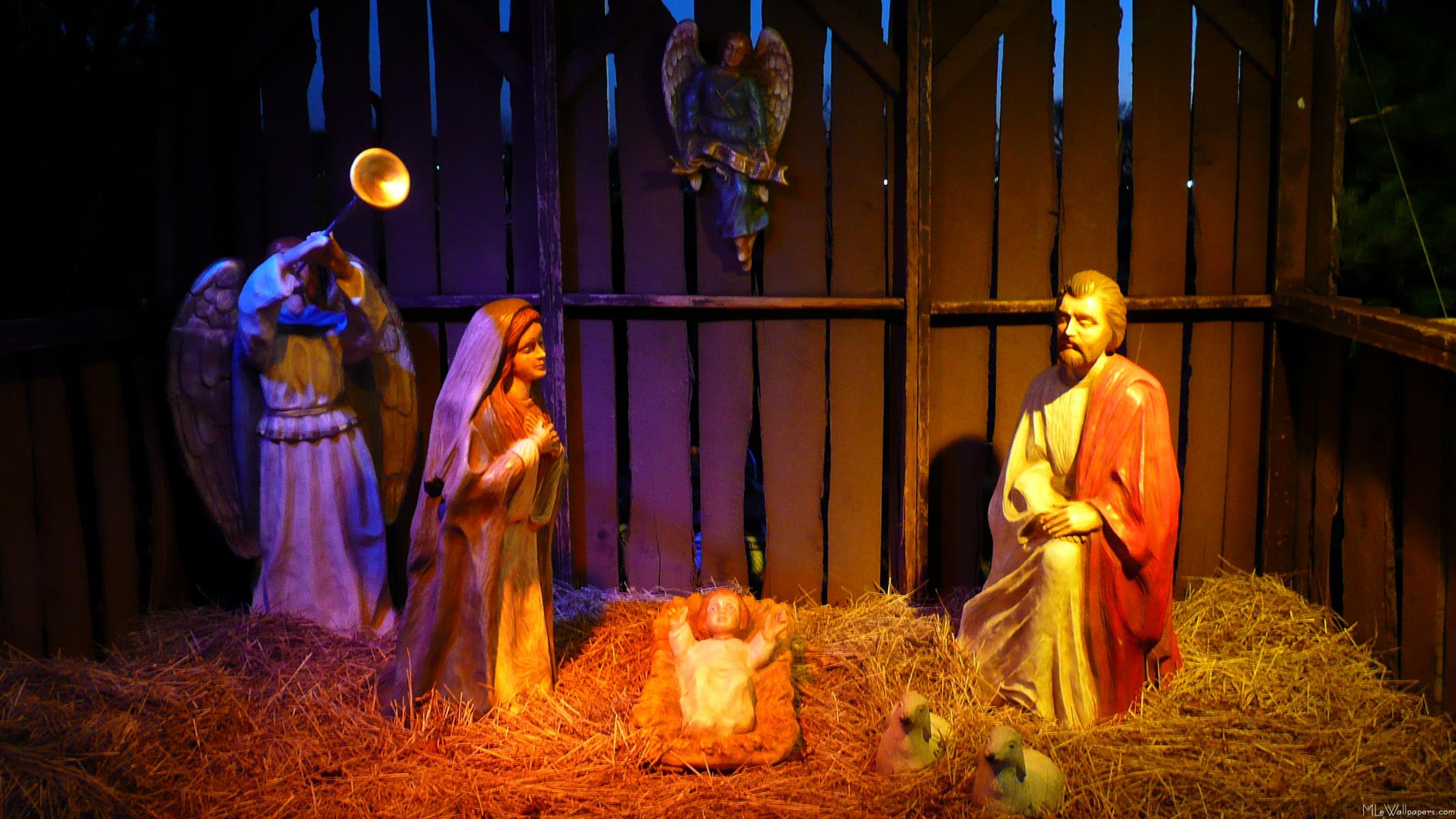
In Italy, Christmas is three weeks long and begins at Novena, eight days before Christmas. All around the country, Zampognari and Pifferai--bagpipers and flute players dressed in traditional shepherding outfits--travel from home to home playing Christmas songs. Many families have a Ceppo, also called a tree of light, which is a wooden, pyramid-shaped frame with shelving. It holds the nativity scene at the bottom, with fruit, candy and treats above. On Christmas Eve, most Italians will fast in observance of the holiday. Then they celebrate with a small feast of chocolate and Panetoni, a light Milanese cake. Traditional Italian Christmas cookies are baked every year, and I have had the privilege of enjoying these when my grandma used to make them. I must admit, as a child I did not care the Anise flavor--similar to licorice--but now I thoroughly love these tasty morsels. The Urn of Fate is an old Italian tradition where each member of the family takes turns pulling a gift out of a large decorated pot. Some presents have gifts inside, while others are empty boxes. Italian children do not receive their gifts until Epiphany on January 6, when La Befana--the kindly witch--flies around to distribute gifts to the kids. According to tradition, the three Wise Men stopped at the witches hut to ask for directions to Bethlehem. When asked to go with them, the witch refused, but later regretted her decision when she saw the light from the star shining in the sky. She gathered as many toys and gifts as she could and flew off to find the men and the baby Jesus, but to no avail. Now she flies around every year looking for the Christ Child, leaving gifts for all children in the hopes they might be him.

In Germany, the holiday season starts December 1, with people baking spiced cakes and gingerbread. On December 6, Nikolaustag, or St. Nicholas Day, is acknowledged, and children place their shoes and boots outside the door in the hopes that they will find a present inside the next morning. Christmas markets pop up in every city in Germany during this time of year, and vendors sell everything from hand-carved nutcrackers and glass ornaments to roasted nuts and mulled wine--Gluhwein. Everyone enjoys the oldest German Christmas treat, Stollen, a sweet bread. Most German families decorate the Tannenbaum--the Christmas tree--on Christmas Eve, making it a fun holiday activity for the children.
The French vary in their Christmas traditions depending on the region they live in. However, there are some customs that everyone upholds, no matter what. All homes are adorned with a nativity scene or creche, which holds tiny clay figures called santons or little saints. For centuries, the yule log was burned in hearths as part of the holiday celebrations. While that custom has become less and less common, the French still bake log-shaped cakes during this time called Buche de Noel. The main Christmas feast is known as Le Reveillon, a late supper served after midnight mass on Christmas Eve. The menu for the meal varies with each region, some enjoy goose and turkey while others dine on oysters and pat de foie gras.

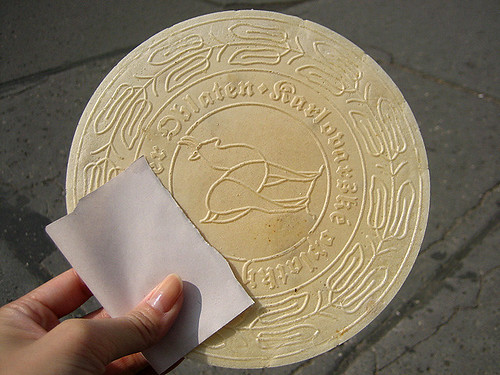
Polish tradition marks this time of year as not only a celebration of Christ's birth, but also as a sign of what's to come in the next year. Anything that happens during the Christmas season is seen as an omen, so the Polish observe everything carefully. With that sense of karmic energy and hospitable nature, the Polish always keep an extra chair around the table for the unexpected guest, because no one should be alone on Christmas, and there should always be a place for everyone. A widely held Polish tradition is the breaking of the Oplatek--Christmas wafer. On Christmas Eve, after the appearance of the first star, the whole family gathers around the table, and the father or eldest member breaks the wafer and hands it to the next person until everyone has broken a piece off. Then they all wish each other love, prosperity and good health in the new year.

The countries in South America have their traditions deeply rooted in religion. Families in almost every country display an elaborate manger or presepio scene, which can sometimes be so large that they take up entire rooms. There are a series of novenas, public gatherings, of worship in the form of prayers, songs and poetry, and most of these take place in a nine-day span. South Americans flock to church services on Christmas Eve, and follow the service with grand feasts and family visits on Christmas Day. Gift giving is prolonged all the way until Epiphany.
Christmas celebrations in Asia vary between religions. Christians in China decorate trees with colorful paper ornaments, lanterns and chains. They hang muslin stockings for Christmas Old Man to leave tiny presents in. Non-Christians celebrate this time as the Spring Festival, where they honor their ancestors and traditions with feasts, gift-giving and firework displays. Only 1% of the Japanese population is Christian, but the country still decorates its cities with evergreens and engage in gift exchanges. Hoteiosha, a priest, acts as Santa Claus and goes around distributing gifts. It is said he has eyes in the back of his head, so children try to be good when he is around. In India, Christians decorate banana and mango trees for the holidays. However, it isn't just limited to Christians. Christmas has become a secular overtone, and all religions take part in the joyous celebrations.
Of course there are many more holiday traditions around the world that I didn't get to mention, but I'm not sure I have the time or room to talk about them all. Along with country customs, each family practices their own traditions that make their holiday unique and special to them. It's true, however, that no matter what part of the world you're in during the holidays, one thing is always the same: The delightful comfort of love and care towards our fellow man. And while every nation may celebrate in a different way, we all are filled with the spirit of giving, the warmth of family and the joy of life. Happy Holidays! Wherever you are!