Pages

Showing posts with label Wine tasting. Show all posts

Thursday, November 21, 2013

Traditional Wine, Tomorrow's Technology

Imagine descending a spiral staircase built with materials of the earth, a vast valley of vineyards as far as you can see. You continue to spin down the steps, like wine through an aerator, knowing that the decanter below holds one of the most elaborate cellars of the modern age. This is the new Cantina Antinori in Tuscany--a wine museum, auditorium, cellar, tasting room and restaurant in one. Basically, wine heaven.

Condé Naste Traveler

I love wine (in case you didn't know already), and I also love Italy. So, naturally, this has been added to my list of places to visit. I've been to Tuscany a few times, but this new winery only opened a year ago, giving me one more reason to go back.

The Antinori Family has been harvesting grapes and creating wine in Tuscany for centuries, but this new structure shows just how innovative they are as they look toward the future of viniculture and wine education. Designed by acclaimed architecture firm Archea, the cantilevered headquarters pay homage to the region of Chianti Classico and blends harmoniously into the landscape around it. It is made with local materials and has a minimal impact on the environment.

The design is not only beautiful, but functional. The cellars in which the wines are produced and stored were conceived to allow the grapes and natural materials to be moved with gravity, meaning there is no use for mechanical pumping, which results in a more natural process and a more balanced, elegant wine.

Antinori Cellars

The museum is a showcase of the Antinori Family's history alongside contemporary works of art. The artwork comes from three international artists: Yona Friedman, Rosa Barba and Jean-Baptiste Decavèle. All the items relate to themes like landscape, memory and territory. The Auditorium is a wood-panelled room where visitors can watch videos, short films and documentaries on the family, its estates and, of course, its wine.

The restaurant, which serves as a nice end point to a visit, sits on the roof of the cellars, providing sweeping views of the rolling hillside. Rinuccio 1180 offers visitors perfectly matched food and wine, with dishes that highlight the Tuscan countryside.

Cantina Antinori Source: Antinori Facebook page


The winery is certainly impressive and I cannot wait to make a trip back to Italy, head straight to Bargino (20 minutes outside Florence) and start exploring (and tasting) the fresh yet classic concepts developed at this advanced winery.

Friday, May 3, 2013

Discovering A New World in New Zealand (Part 3)

Rows of old barrels lined the walls of the cave tunnel leading back to a cool, moist cellar. There, sitting atop a red table cloth, were glasses filled with wine; and two more bottles waiting to be poured. Our group stood among the barrels, waiting to sample our first tastes of some New Zealand wines. The perfect antidote to the chilly, cloudy weather outside.

It was raining and miserable on our first day in Queenstown, but it didn't kill the vibe and spirit of the city, considered to be the adventure sport capital of the world. And there were certainly extreme sport operators riddled throughout Queenstown. After dropping off our car at the hotel, we explored the town while enjoying some coffee. At 12:30, a bus picked us up for our scheduled wine walk, where we were meant to take a trail between vineyards. However, given the rain, we opted for the guided tour instead, so we could stay in the comfort of the bus.

Our first stop was Gibbston Valley Vineyard, where we got to experience one of the largest wine caves in the country. One of the workers at the vineyard handed each of us a glass of Sauvignon Blanc, and we happily started sipping away. He explained to us the process for making the variety, and the flavors and textures we should have been picking up. I will admit, I'm no sommelier, but I would like to think that I have a pretty mature palette when it comes to wine. The next one we tried was a Pinot Gris, a variety of which I have never really been a fan. But I took a shot on this one, but found it just did not have an appealing flavor. Next was the Pinot Noir, the variety the region is known for, and it was delightful, just light enough that it could be enjoyed mid-afternoon, but with a flavor profile that was still bold and complex, perfect for food pairing.

After our tasting in the wine cave, we hurried through the rain to the restaurant, where we enjoyed a wonderful lunch complete with squash soup, bread, hummus and veggies, and cheese and crackers, and, of course, a glass of wine. We conversed with the other members of our tour group, most of whom were from North America or England. After a brief visit to the gift shop, we hopped back on the bus and made our way over the second vineyard, Waitiri Creek. The tasting room was actually an old church transported from Wangaloa, another region of the south island. We sampled about five different wines: a Chardonnay (phenomenal), a Pinot Gris (not so much), a Riesling (pretty good, not too sweet), and two Pinot Noirs (both delicious).

The third winery we visited was Mt. Rosa, located further up the hillside and in a much more modern warehouse style facility. We squeezed into the room, which felt a little cold and cramped, but the array of wines in front of us certainly made up for it. We tried about eight or nine wines--and yes, you can bet I was feeling it a bit by now. We tried some of the standards--Chardonnay, Pinot Gris, Sauvignon Blanc, Riesling and Pinot Noir--as well as some other varieties that were a little different--Gewurtztraminer and Chenin Blanc. It was here that we learned a little bit more about the wine industry in New Zealand, and how it is made up of many small, boutique wineries, and perhaps two or three large ones with high distribution. Since many of their operations are so small, it is difficult to produce enough wine to send to larger countries, and the regulations on trade and export make it very expensive. This is why many of these fantastic wines cannot be found in the U.S., which is a real shame. (But maybe if you ask your local liquor stores to stock them, there is a chance they could get enough demand to expand distribution.) 


The final stop on our wine tour was Amisfield Wine Company, considered to be a much larger establishment than some of the others in the region, but still exceptionally good. We met with one of the seasoned wine experts, who took us down into the wine cellar for a quick lesson on the wines, how they were made, and a tasting of about four wines. A Riesling, a Rose, a Pinot Noir and a Pinot Gris. By this point, I had disliked all the Pinot Gris varieties I had that day, but I decided to take one more chance, convinced that this one would disappoint, too. To my chagrin, it was great! I had finally found a Pinot Gris I liked, so much so that I dropped $30 for a bottle--yes, that is expensive for someone who usually keeps her wine purchases to under $10 per bottle.

We were dropped off at our hotel, where we quickly changed and headed back out for dinner. We enjoyed a nice meal next to a raging fire--yes, it was chilly enough for a fire--and then wandered back to our hotel to relax and head to bed.

The next morning, we grabbed a quick breakfast at the hotel, and then ventured out to explore more of Queenstown. The morning was spent hitting up clothing stores and art galleries, where we found some pretty nice items. My parents picked up a couple gifts for friends, and I found a really nice purse at a cute little luggage shop. After a couple hours of walking around, we all started to feel a bit peckish, so we stopped into a place called Fergbaker, a little cafe and patisserie known for its meat pies. It also has a great selection of sweets and really good coffee. We each got a handheld pie--my mom got the vegetarian one, my dad got the lamb and stout and I got one of the signature one with ferg. Delicious! We wandered around for the rest of the afternoon, popping into stores, making a few final purchases and then headed back to the hotel to get ready for dinner. We enjoyed a simple dinner of pizza and pasta--and, of course, wine--and then relaxed for the evening.


As I sat on the plane the next morning, waiting to return to Australia--and eventually head back to Chicago--a sense of sadness started to creep over me. It quickly rippled through my body before settling as a tiny marble-sized ball in my throat. "No," I heard myself say, "do NOT cry." New Zealand held nothing but good memories, strange experiences and some of the most elaborate landscapes I had ever seen. So why was I sad? A trip ending always makes me a bit forlorn. It translates to packing--yet again--shoving every memento of the vacation into your bag (not to mention all the dirty laundry you'll have to do once you get home, which is depressing in itself); and dealing with airport check-ins and security lines. It means a return to routine, to the acts of the every day, where you know life will never be as exciting as what you just experienced over the last couple weeks. Because, believe it or not, sitting at desk typing away at a computer is not quite as stimulating as trekking through a field of vines or standing among barrels of wine discussing the process that got the liquid into those wooden containers. But mostly the end means goodbye; not just to a place, but to the people you spent the whole trip with and the ones you met along the way.

The only thing that can suppress this bitter marble...the thought of my return to New Zealand to see all the places I missed. Or the knowledge that I will be taking another vacation in a couple months to a new, diverse destination. Or the eye-catching survival expert Bear Gryllis leaping around the forests of Fiordland, tracking the extinct flightless Moa bird, all while delivering essential safety messages. Yes, those Air New Zealand videos certainly grab your attention, and I was super excited I got the chance to see one (I know I'm a nerd).


Monday, November 12, 2012

A Foodie Tour

Whole Journeys
Food and travel go together like...peanut butter and jelly, spaghetti and meatballs, wine and cheese...pretty much anything with perfect synergy that complements the details of the other flawlessly. Food can make a journey complete, since a destination would not be what it is without this important cultural element.

So it makes sense that there are plenty of tours centered around food, either offered by a tour company, a cruise line, a hotel or a local restaurant. But it's a bit odd to find a grocery store offering these kinds of trips. Enter Whole Foods Market, known for its selection of specialty and organic foods, as well as its commitment to offering local produce and meat, and sustainable seafood.

Whole Foods has now entered the travel industry with a new company aimed at active food lovers who want to "experience what travel should taste like." The company, called Whole Journeys, will offer guided tours from five days to two weeks on 11 itineraries in Europe, China and the U.S. The tours will take guests to local farms and food producers, wine tastings and cooking classes. Travelers will also be able to take part in cultural activities and physical endeavors like hiking and biking.

“We’re all about authentic experiences and rich cultural connections. I encourage guests to open themselves to the culture in each destination, and share their own perspective with the people there. When the trip is over, everyone comes away with a wider worldview and, hopefully, a deeper appreciation for global diversity and food culture and traditions,” said Kathy Dragon, executive director of Whole Journeys.
As of right now, there are a lot of tours through Italy, which makes sense considering the country's love of food and the importance it holds in Italy's culture. I've had the chance to experience many of Italy's cities and its wonderful culinary offerings, so it's time to venture somewhere else, some place different.

Turkish Delight. Souce: Whole Journeys' website
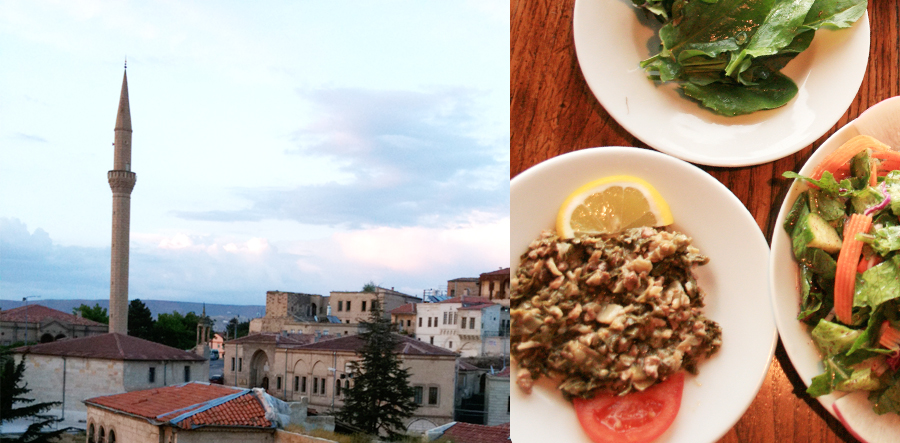
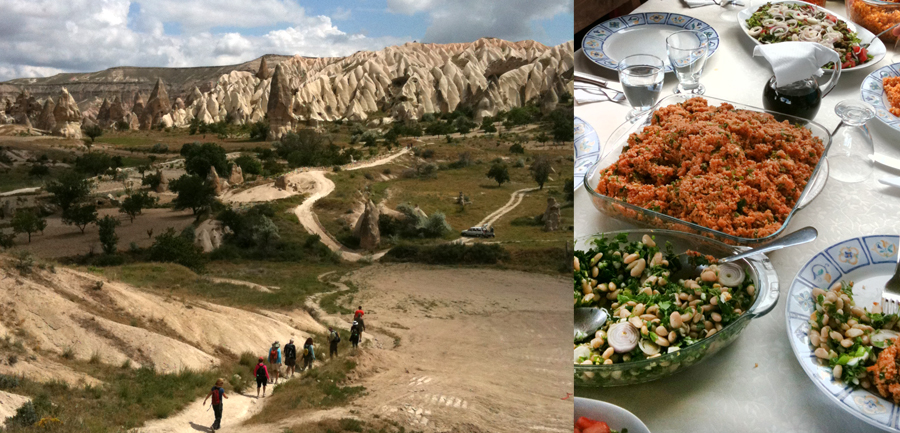
The "Turkish Delights" itinerary takes you all through Turkey's epic history and exotic cuisine. The trip explores the diversity of the country from the Aegean Coast and Ephesus, before heading to Cappadoccia. Travelers will walk roads taking them to "lunar-like landscapes of volcanic chimneys, gorges, vineyards, elaborately carved and Byzantine frescoed rock churches and entire underground cities." It lasts nine days, eight nights, and spots are capped at 16, so availability is pretty limited. 

All the trips start in April 2013 and cost anywhere between $3,000 and $4,500 per person. The tours include guides, visits, hotels and most meals.


Friday, July 6, 2012

Not Your Average Tour

Just last weekend, my parents, uncle and his girlfriend, came to visit me in Chicago. For my parents, it was an opportunity to see their daughter and spend some quality family time together. While it was also that for my uncle and his girlfriend, it was also a chance to see a new city, since neither had been here before. Of course, they asked me what they should see and do, and I ran off the usual list of attractions. They decided to do the Architecture Tour along the river, which I think is one of the better tours offered in Chicago. Not only is it a great way to see a lot of the downtown area, but it provides great backround on Chicago's history.

While I will always recommend this tour to first time visitors, I cannot guarantee that everyone will appreciate it, since each person has different tastes, opinions, and interests that could be fulfilled through other options. There's walking tours, bus tours, mob tours, ghost tours, museum tours, the list goes on and on. But even with all these, some people may still be looking for something different, unusual, off-kilter.

Enter the internet and its vast array of travel-sharing websites touting specialty tours, unique experiences and some pretty odd activities not generally listed on a tourism site. I learned about these through a New York Times article, which discusses a few of the platforms.

Tequila Adventure Rapel
What makes these sites work is the artists, chefs, students, writers, hobbyists, and musicians, who offer their services to those looking for a truly novel experience. Some websites are better than others about making sure guides can deliver on their promises, while other rely on peer reviews.

CanaryHop.com was co-founded by "Saturday Night Live" star Andy Samberg and launched in March. It is a searchable list of about 2,500 guides and service providers, which are referred to on the site as "canaries," while travelers are called "hoppers." Some examples of experiences are a circus training in Las Vegas; a fire engine tour in San Francisco; camping in the Mojave Desert with a botanist; New York City makeup and accessories tour; and home cooking and eating with a family in Delhi.

Gidsy.com is another option that has grown popular in the last year. With the tagline "do something different," the website certainly lives up to that mentality with its options. It features offerings in nine cities, with activities like a chocolate and grappa tasting in Hasselt, Belgium; a tango lesson in London; a street photography workshop with a professional photographer in Istanbul; and a challah braiding and baking class in New York.

East London Street Food Tour
The idea behind Vayable.com is to give travelers a deeper look into at a local culture through experts. The site has 1,500 guides on almost every continent--it hasn't quite made it to Antartica. Travelers can search ac tivities by city and then book their own experience or join a pre-arranged tour. Some of the options include a hookah and tea tour in Istanbul, fly fishing in Alaska with the may of Kenai, a tour of East London street food, and a Harley-Davidson motorcycle tour of Versailles and Rambouillet.

Another option if you are just looking for unique experiences in New York is SideTour. The founder, Vipin Goyal, said there are plans to expand, but New York certainly offers a plethora of exciting and intriguing opportunities. Most of the listings are updated weekly and sell out weeks in advance, so book early! Popular offerings include a street art tour and graffiti demonstration, urban beekeeping in Brooklyn, and creaft beer brewing.

As someone who is often looking for something different to do in my own city, perhaps I should see if there are any special activities/tours in Chicago. That way the next time someone asks me about what they should do here, I can offer something that's a little bit off the beaten path. And for my future travels, I will certainly give these sites a quick run through to see if there is anything I would like to take part in during my visit. Because what could be better than finding a hidden art gallery that isn't featured in every travel guide? Or tasting street food from the vendor that doesn't have a line around the block but is just as good--if not better--as that guy that was featured on the food network? Or having an in depth conversation with a local author while sipping regionally-made wine at an underground jazz club? It's these kinds of odd experiences and locations that make a city what it is, so why not take the opportunity to peel back the artificial layers and see the roots.

Thursday, October 27, 2011

Culinary Excursions

A large part of travel is, of course, food. And it makes sense, because most of the time, the places we visit have cuisine that is completely different from our home town, especially if you venture to a different country. Personally, I don't feel I have truly experienced a place until I've eaten one of its local specialities. If you can find a trip that not only offers unique delicacies, but also an opportunity to learn about the culinary process of making it, then you've really got something special.

http://www.3tomatoeslv.com/
I have had the privilege of partaking in some of these activities, and I highly recommend them. If you happen to go to Sienna, Italy, I suggest signing up for a personal cooking class. I, along with my family and friends, got the chance to cook with a Tuscan-style chef right in the comfort of her own kitchen. We chopped, sliced, seasoned, sipped and tasted our way through the afternoon, enjoying classic dishes like bruschetta, chickpea soup a four herb pasta. We ate each dish as it was prepared, heading back into the kitchen after each one to dive into the next, all the while drinking glass after glass of Italian wine.

Being from Colorado, I know a number of quality brewery tours that give you a first-hand glance at the beer-makign process...but these can usually be found in any city nowadays, especially with the popularity of craft beers in our culture. However, I recently stumbled upon a new business in Chicago's West Loop neighborhood called Brew & Grow, where home brewers can buy all the supplies they need to make beer on their own. Not only that, but it offers beer making classes, where you can make your own stout or ale, learn about flavors and consistency, as well as what food is best to pair with it. It's a great way to learn about a local activity while experiencing a city that is becoming a big player in the craft brew arena.

I read an article in the Wall Street Journal that covers a couple more food getaways for the upcoming harvest season. One in particular that caught my interest--and this should be no surprise to my readers--was the Grape Education at Blackberry Farm in the Smoky Mountains of Tennessee. In mid-November, the farm hosts its Wine Geek 101 event, where guests learn all about wine tasting, selection and pairing. You can also partake in cooking demonstrations and tours of the farm. It's relatively pricey ($1,200 per person) but if you have the time and funds, I think it would be a magical trip.

http://www.seriouseats.com/
Of the other suggestions, I think the next one I would pick is the bread making in Bath, England. Not exactly the easiest location to get to, but for fresh Italian and French bread, I think it's worth it. The five day course costs $300 a day, with one- and three-day courses available, too. An award-winning chef leads the class, where you learn how to make a vast array of different breads, and at the end, I'm pretty sure you get to eat some, too.

For the autumn season, when cooking and comfort food reign supreme (how many days until Thanksgiving?), it seems appropriate to indulge in a culinary excursions. The best part about them is that they can usually be squeezed into a quick weekend trip, making it super easy to enjoy another location on short notice.

Tuesday, March 15, 2011

Forging a Wine Trail

Wine tasting in Napa and Sonoma Valley has become somewhat of a cliche, not because everyone does it, but because of how they do it. Drive to a vineyard, taste any number of reds or whites, contemplate why they taste different, then jump back in the car, head to another vineyard, and repeat. It has become monotonous, and potentially dangerous depending on how much you actually drink. I have never gone wine tasting in Northern California--though I am dying to go--but I read an interesting story about a guy who decided to switch things up on his wine tasting experience, exploring each vineyard by foot.

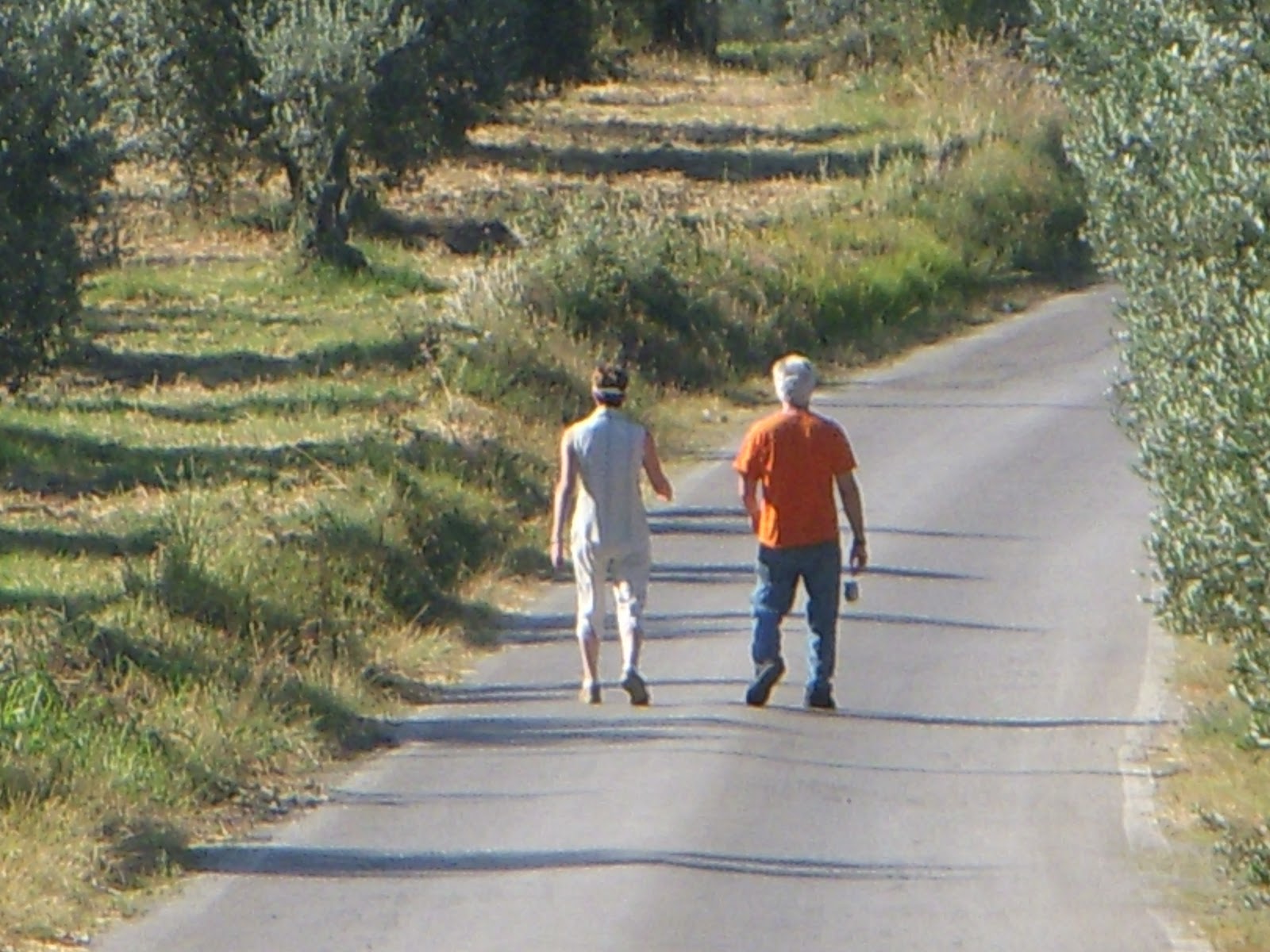
Daniel Duane found that walking tours are much more popular in Europe, and he cannot see why. "There is no more meaningful way to connect with a place than by exploring it, literally, one step at a time," said Duane. So he set out to forge a new trail through Sonoma County, with a focus on its southeast corner. He initially wanted to explore Napa, but found it was not the ideal setting for walking. In Sonoma, near the base of the Carneros Hills, there are quiet lanes, bike paths and footpaths. Also, Sonoma's diverse landscape and geographic features made for a few more surprises in the wine selection. It is known for producing great chardonnays and pinot noirs, but it also can throw a few curveballs.

Duane made Les Petites Maisons, small rental cottages operated by a store called Sonoma's Best, his base for the trip due to its central location.

Since there are no designated walking routes between wineries, Duane had to create his own. In the days leading up to his trip, he spent hours looking over trail maps and satellite images from Google. In the end, he came up with two walking tours that never required him to walk further than 30 minutes between each stop.

The first stop was Ravenswood Winery, where he received a glass of gewürztraminer upon arrival. (This is learned is a white wine grape that produces off-dry wines with flowery and passion fruit aromas, and is one of the few wines that goes well with Asian cuisine.) After a few other samples, Duane headed over to Sebastiani Vineyards & Winery, which took a little bit of backtracking and extra walking. This vineyard is one of the oldest in the United States, and was founded back in 1904. To Duane's disappointment--and mine,-- the area outside the cobblestone building was packed with tour buses, filled with all those tourists who decided to wine taste the typical way. After ordering a seven-wine sample, Duane headed down the Sonoma Bike Path, which conveniently ran past the winery. Along the route, he stumbled upon an organic farm called The Patch, a quaint treasure easily missed when driving in a car.

Duane's second day started at Buena Vista Carneros Winery, the first winery built west of the Mississippi. There he sampled a "silky" pinot noir and what he claims to be the best chardonnay of the whole trip. Since he was walking, he was able to take a small footpath--which someone at Les Petites Maisons had told him about--to his next destination, Bartholomew Park Winery. The path ran through a hidden garden , leading him through lawns with picnic tables and eventually to the door of the vineyard. As he sipped the winery's notable cabernet sauvignons, the owner told him all about the trails that surrounded the property. After departing his last winery, he found an old railway easement that weaved through tall pine trees to lead him right back to his cottage. A perfect little secret, just waiting to be found.

A walk through wine country can clearly yield tremendous benefits, including stumbling upon places one would have missed otherwise. I find it remarkable how much his tale of exploring Sonoma by foot is similar to wine tasting itself. We come across something, take a sip, and discover a wonderful array of flavors, aromas and textures. Sometimes it can be comforting, sometimes surprising, but it's always an adventure.

Monday, September 27, 2010

Ever Thought of Visiting Macedonia?

No? Why not?

Sure, there is not a lot that's known about this small, land-locked country. And yes, it did only gain independence in 1991. Not to mention the tourism sector is definitely struggling in this down economy. Despite all that, there is only one thing that really matters about Macedonia: The wine.

Being the wine enthusiast that I am, hearing that Macedonia was an uncorked (pun totally intended) resource for delicious and unique grape blends made my ears perk up. But I must admit, I didn't know much about the country other than where it is located, in the Balkans. So, I decided to do a little research, and discovered some interesting facts about The Republic of Macedonia.

The fact that Macedonia is not on the radar does not surprise me, since the country has struggled with so many economic difficulties since their independence from Yugoslavia. They started off at the short end of things by being one of the less-developed regions of Yugoslavia, and when they seceded, many of their export routes through Serbia were lost. The ones that remain are unreliable and costly. The country has a high poverty rate and abundant corruption, stunting the economic growth even more.

However, despite these fallbacks, Macedonia has a lot to offer. Geographically, it does not have direct access to any oceans, but the Vardar River has created a beautiful central valley, and the rugged terrain boasts some breathtaking views. Those can best be appreciated from the top of the Šar Mountains or the Osogovo-Belasica Mountain chain. The intricate nature of the original architecture found in the capitol, Skopje, draws many people to the busy streets. Luckily, the population is not significantly high and visitors are minimal, so it does not feel overly crowded.

A trip out to the Macedonia countryside is a real treat. Here you will find stretches of vineyards that supply the locals with ripe grapes just waiting to be turned to wine. Wine has played a big part in Macedonia's culture since the Roman times. Wine grapes thrive in the transitional climate of Mediterranean and Continental, not to mention the rich soil. In fact, there are so many grapes that families often make their own batches. Macedonians even celebrate the patron saint of wine and winemaking, St. Trifun, every year when growers prune the vines on February 14. (A possible replacement of that made-up holiday everyone else celebrates.) But even with this wealth of wine grapes and great potential for mass production, Macedonia's wine industry has suffered. As a result, wineries are in short supply. But the ones that do exist have done an impressive job promoting their products.

Popova Kula Winery, built in the Tikves Valley, is modeled after the wineries of California. After 6 years, it boasts 17-acres of grapevines and uses the latest Italian machinery. Popova winery specializes in dry white wines, but has been growing its stock of reds, as well. Bovin Winery was the first boutique vineyard after independence, and it houses a tasting room where guests can sample the variety of whites and reds. Stobi Winery is a large facility located close to the capitol of Macedonia. It also produces many white wines and just a few rich reds.

If nothing else draws you to the borders of Macedonia, consider this: not only will you get to taste some exceptional wines, but you will also get to discover a country that most people have never seen. Macedonia appears to be hidden among its surrounding countries, but its history, culture and wine could turn it into a bustling tourist attraction. So maybe you should book this Balkan country for your next vacation, or at least give it a chance.

And just think, you might taste a wine that has never made it to the United States--what a rare find!

Tuesday, July 27, 2010

Great Wine from an Unexpected Source

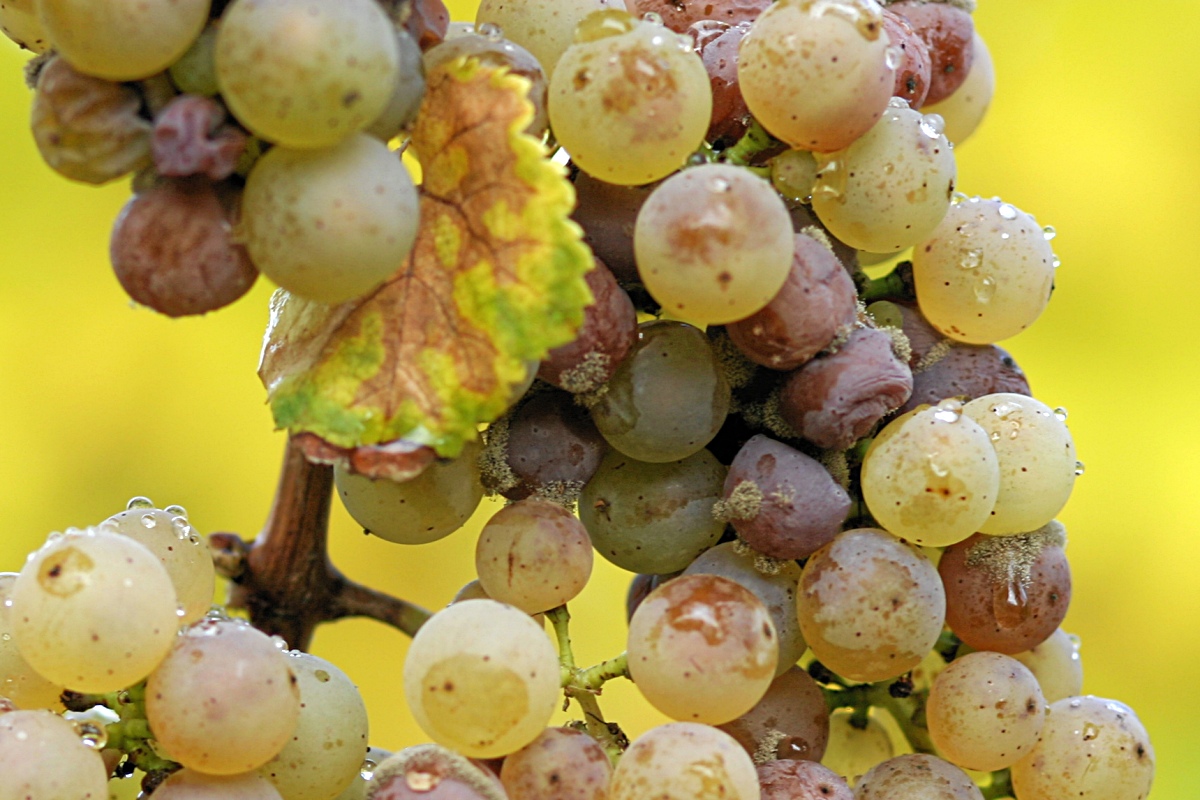
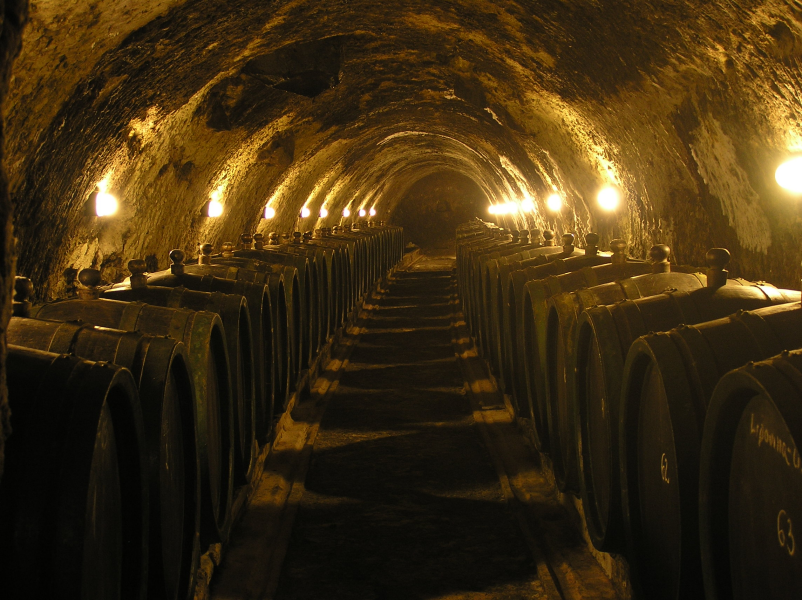
Imagine sipping wine poured straight from the barrel, letting the taste of fresh fruits and sweet spices settle on your tongue. Now imagine those citrusy, crisp flavors came from moldy grapes grown in the moldiest region possible. It's no joke, it's real. Mold in the city of Tokaj, Hungary, is responsible for some of the best wines in the country. Since two large rivers, the Tisza and the Bodrog, converge in this area, moisture and dampness take over, making it a breeding ground for fungus. But unlike wine cellars in California, France and Italy, Hungarian wineries embrace the spores. The black mold, Cladosporium cellare, thrives in the wine cellars, and Botrytis cinerea, also called “noble rot,” attacks the grapes in the vineyard. But this is one of the secrets to the famous sweet wines, like Tokaji asz.

The way it works, as I understand it, is when the mold attaches to the grapes, they dry up into solid balls of concentrated sugar. This allows for a very unique flavor to emerge. The reason fungus works in harmony with the grapes is because the vineyards are planted with furmint. Apparently, this is beneficial to fungus.

But if you want to try the full range of wines from the area, it is nearly impossible. These wines, though becoming more and more well known around the world, are a rarity outside of Hungary. So it seems a trip to the Hungarian countryside is a must in order to taste the unique complexities of these wines.

I'm a big fan of wine, trying different bottles from different regions every chance I get. But I had no idea that Hungary had a wine region comparable to Italy's Chianti or France's Bordeaux. So how did I hear about this booming wine capitol? Where else but NY Times Travel section. Evan Rail had the privilege of venturing to Hungary to sample some of their exquisite wines, and I have to say, he inspired me to travel there as well. I have always wanted to visit Budapest, and apparently Tokaj is only two and a half hours away by car. It seems like it would be a nice side trip.

Rail recommends, in his article about the vines of Hungary, that travelers rent a car when they arrive in Budapest, since it will be much easier to get around to the different vineyards. For lodging, there are a number of options, but he suggests Grof Degenfeld Castle Hotel in Tarcal and Torkolat Panzio in Tokaj. Usually special offers are available, but you will have to do some research on the deals and see if they are worth it. From Rail's descriptions of the accommodations as well as the many wines he sampled, I'd say it's definitely worth it. I probably won't be able to schedule a trip this year, and next year might be difficult, too. (I did just start my job three weeks ago, and it's not like the money's rolling in.) But wine is something I truly appreciate in life, and I think it's important to branch out.

Wine making is an art form, even when painting with moldy grapes.