Pages

Showing posts with label wine. Show all posts

Thursday, November 21, 2013

Traditional Wine, Tomorrow's Technology

Imagine descending a spiral staircase built with materials of the earth, a vast valley of vineyards as far as you can see. You continue to spin down the steps, like wine through an aerator, knowing that the decanter below holds one of the most elaborate cellars of the modern age. This is the new Cantina Antinori in Tuscany--a wine museum, auditorium, cellar, tasting room and restaurant in one. Basically, wine heaven.

Condé Naste Traveler

I love wine (in case you didn't know already), and I also love Italy. So, naturally, this has been added to my list of places to visit. I've been to Tuscany a few times, but this new winery only opened a year ago, giving me one more reason to go back.

The Antinori Family has been harvesting grapes and creating wine in Tuscany for centuries, but this new structure shows just how innovative they are as they look toward the future of viniculture and wine education. Designed by acclaimed architecture firm Archea, the cantilevered headquarters pay homage to the region of Chianti Classico and blends harmoniously into the landscape around it. It is made with local materials and has a minimal impact on the environment.

The design is not only beautiful, but functional. The cellars in which the wines are produced and stored were conceived to allow the grapes and natural materials to be moved with gravity, meaning there is no use for mechanical pumping, which results in a more natural process and a more balanced, elegant wine.

Antinori Cellars

The museum is a showcase of the Antinori Family's history alongside contemporary works of art. The artwork comes from three international artists: Yona Friedman, Rosa Barba and Jean-Baptiste Decavèle. All the items relate to themes like landscape, memory and territory. The Auditorium is a wood-panelled room where visitors can watch videos, short films and documentaries on the family, its estates and, of course, its wine.

The restaurant, which serves as a nice end point to a visit, sits on the roof of the cellars, providing sweeping views of the rolling hillside. Rinuccio 1180 offers visitors perfectly matched food and wine, with dishes that highlight the Tuscan countryside.

Cantina Antinori Source: Antinori Facebook page


The winery is certainly impressive and I cannot wait to make a trip back to Italy, head straight to Bargino (20 minutes outside Florence) and start exploring (and tasting) the fresh yet classic concepts developed at this advanced winery.

Friday, May 3, 2013

Discovering A New World in New Zealand (Part 3)

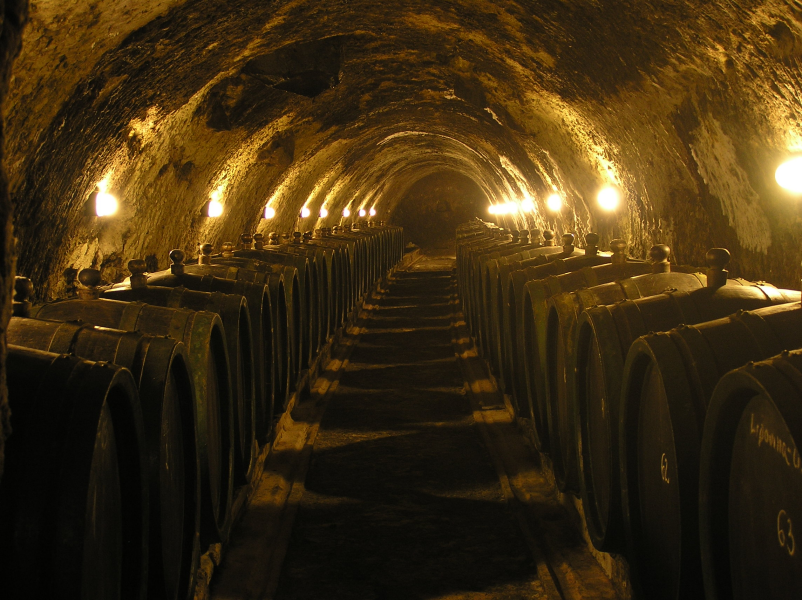
Rows of old barrels lined the walls of the cave tunnel leading back to a cool, moist cellar. There, sitting atop a red table cloth, were glasses filled with wine; and two more bottles waiting to be poured. Our group stood among the barrels, waiting to sample our first tastes of some New Zealand wines. The perfect antidote to the chilly, cloudy weather outside.

It was raining and miserable on our first day in Queenstown, but it didn't kill the vibe and spirit of the city, considered to be the adventure sport capital of the world. And there were certainly extreme sport operators riddled throughout Queenstown. After dropping off our car at the hotel, we explored the town while enjoying some coffee. At 12:30, a bus picked us up for our scheduled wine walk, where we were meant to take a trail between vineyards. However, given the rain, we opted for the guided tour instead, so we could stay in the comfort of the bus.

Our first stop was Gibbston Valley Vineyard, where we got to experience one of the largest wine caves in the country. One of the workers at the vineyard handed each of us a glass of Sauvignon Blanc, and we happily started sipping away. He explained to us the process for making the variety, and the flavors and textures we should have been picking up. I will admit, I'm no sommelier, but I would like to think that I have a pretty mature palette when it comes to wine. The next one we tried was a Pinot Gris, a variety of which I have never really been a fan. But I took a shot on this one, but found it just did not have an appealing flavor. Next was the Pinot Noir, the variety the region is known for, and it was delightful, just light enough that it could be enjoyed mid-afternoon, but with a flavor profile that was still bold and complex, perfect for food pairing.

After our tasting in the wine cave, we hurried through the rain to the restaurant, where we enjoyed a wonderful lunch complete with squash soup, bread, hummus and veggies, and cheese and crackers, and, of course, a glass of wine. We conversed with the other members of our tour group, most of whom were from North America or England. After a brief visit to the gift shop, we hopped back on the bus and made our way over the second vineyard, Waitiri Creek. The tasting room was actually an old church transported from Wangaloa, another region of the south island. We sampled about five different wines: a Chardonnay (phenomenal), a Pinot Gris (not so much), a Riesling (pretty good, not too sweet), and two Pinot Noirs (both delicious).

The third winery we visited was Mt. Rosa, located further up the hillside and in a much more modern warehouse style facility. We squeezed into the room, which felt a little cold and cramped, but the array of wines in front of us certainly made up for it. We tried about eight or nine wines--and yes, you can bet I was feeling it a bit by now. We tried some of the standards--Chardonnay, Pinot Gris, Sauvignon Blanc, Riesling and Pinot Noir--as well as some other varieties that were a little different--Gewurtztraminer and Chenin Blanc. It was here that we learned a little bit more about the wine industry in New Zealand, and how it is made up of many small, boutique wineries, and perhaps two or three large ones with high distribution. Since many of their operations are so small, it is difficult to produce enough wine to send to larger countries, and the regulations on trade and export make it very expensive. This is why many of these fantastic wines cannot be found in the U.S., which is a real shame. (But maybe if you ask your local liquor stores to stock them, there is a chance they could get enough demand to expand distribution.) 


The final stop on our wine tour was Amisfield Wine Company, considered to be a much larger establishment than some of the others in the region, but still exceptionally good. We met with one of the seasoned wine experts, who took us down into the wine cellar for a quick lesson on the wines, how they were made, and a tasting of about four wines. A Riesling, a Rose, a Pinot Noir and a Pinot Gris. By this point, I had disliked all the Pinot Gris varieties I had that day, but I decided to take one more chance, convinced that this one would disappoint, too. To my chagrin, it was great! I had finally found a Pinot Gris I liked, so much so that I dropped $30 for a bottle--yes, that is expensive for someone who usually keeps her wine purchases to under $10 per bottle.

We were dropped off at our hotel, where we quickly changed and headed back out for dinner. We enjoyed a nice meal next to a raging fire--yes, it was chilly enough for a fire--and then wandered back to our hotel to relax and head to bed.

The next morning, we grabbed a quick breakfast at the hotel, and then ventured out to explore more of Queenstown. The morning was spent hitting up clothing stores and art galleries, where we found some pretty nice items. My parents picked up a couple gifts for friends, and I found a really nice purse at a cute little luggage shop. After a couple hours of walking around, we all started to feel a bit peckish, so we stopped into a place called Fergbaker, a little cafe and patisserie known for its meat pies. It also has a great selection of sweets and really good coffee. We each got a handheld pie--my mom got the vegetarian one, my dad got the lamb and stout and I got one of the signature one with ferg. Delicious! We wandered around for the rest of the afternoon, popping into stores, making a few final purchases and then headed back to the hotel to get ready for dinner. We enjoyed a simple dinner of pizza and pasta--and, of course, wine--and then relaxed for the evening.


As I sat on the plane the next morning, waiting to return to Australia--and eventually head back to Chicago--a sense of sadness started to creep over me. It quickly rippled through my body before settling as a tiny marble-sized ball in my throat. "No," I heard myself say, "do NOT cry." New Zealand held nothing but good memories, strange experiences and some of the most elaborate landscapes I had ever seen. So why was I sad? A trip ending always makes me a bit forlorn. It translates to packing--yet again--shoving every memento of the vacation into your bag (not to mention all the dirty laundry you'll have to do once you get home, which is depressing in itself); and dealing with airport check-ins and security lines. It means a return to routine, to the acts of the every day, where you know life will never be as exciting as what you just experienced over the last couple weeks. Because, believe it or not, sitting at desk typing away at a computer is not quite as stimulating as trekking through a field of vines or standing among barrels of wine discussing the process that got the liquid into those wooden containers. But mostly the end means goodbye; not just to a place, but to the people you spent the whole trip with and the ones you met along the way.

The only thing that can suppress this bitter marble...the thought of my return to New Zealand to see all the places I missed. Or the knowledge that I will be taking another vacation in a couple months to a new, diverse destination. Or the eye-catching survival expert Bear Gryllis leaping around the forests of Fiordland, tracking the extinct flightless Moa bird, all while delivering essential safety messages. Yes, those Air New Zealand videos certainly grab your attention, and I was super excited I got the chance to see one (I know I'm a nerd).


Tuesday, February 14, 2012

Single's Awareness Day Activities

It is that time of year again, when red, white and pink decorations blanket every store front; heart-shaped candies and cards are bought and sent by the cart load; and thousands of red roses are bundled in bouquets to be given to a loved one. It is also the time when people without a significant other can really celebrate their singledom. Because the beauty of being alone on this holiday is that you are not forced to acknowledge it--you can completely ignore it if you want to. We don't have to spend money on sappy gifts that convey our "love" for another person, because, let's face it, this is not a real holiday. As Dean Obeidallah said in his opinion piece on CNN, "What may have started out as a holiday intended to bring couples together has been transformed into a commercial spectacle peddled to us by florists, greeting card companies, jewelry stores and makers of stuffed animals." He goes on to say," My issue is not with being romantic or expressing your feelings to the person you love. My issue is being required to do so on February 14. This date has zero connection to us. Each year on February 14 we are in essence commanded to be 'romantic.'"

Well, I could not agree more with Mr. Obeidallah, and since I am one of those lucky individuals who does not have to do anything on this day, I decided to look into other ways to celebrate.

Obviously, there are dozens of bars around Chicago that are throwing "Anti-Valentine's Day" parties and "Screw Cupid" shindigs, so those are always an option. But what about something a little more special, a little more upscale.

If I were back home in Denver, I would definitely check out the Girlfriends' Getaway Package at the Oxford Hotel in Lodo. It includes an overnight stay in a Parlour Suite, 24-hour town car service within a two-mile radius downtown, a choice of a 50-minute facial or swedish massage, and a signature martini from the Cruise Room. Personality Hotels in San Francisco is also offering an A Non V-Day Package at its Union Square, Kensington Park and Diva properties. Ladies get two bottles of OPI nail polish (paint it sexy), a bottle of wine, 30% off town car service, a box of chocolates and deluxe accommodations. The Night Hotel in New York City provides a Cupid-free package with 24-hour access to "adult entertainment" and dinner for one with a comped double shot. Guests can stay in a decked out room, complete with goth-themed bedding and decor, with bottomless ice cream and tequila.

If you want to do something completely opposite of romantic, why not try a tour of a sewage treatment plant or a penitentiary. The Wastewater treatment facility in Brooklyn offers visitors a special glimpse at how "digesters" break down waste into sludge and gas. Bonus! One Valentine's Day, you get a Hershey's kiss! At the Philadelphia Eastern State Penitentiary, one of the world's most famous prisons, offers two-for-one admission on Valentine's Day, plus a special themed tour. So grab a friend and head over to check out this slightly creepy old prison where thousands of people lived for almost 150 years. These were just some weird ideas from USAToday, but I'm sure if you look into it further, you could find some other off-the-beaten-path activities.

One part of Valentine's Day that I definitely appreciate is the treats--chocolates, cookies, cakes, the list goes on and on. But since I don't like all the heart-shaped, bright-colored foods, I like the idea of Anti-Valentine's Day foods. The Shoppe A Bakery in Denver has a special cupcake for those who don't like this holiday. It is a chocolate or vanilla cupcake with black frosting (so black it will stain your teeth), and buried within is a Things That Hurt zipper pull--who knows what you will bite into. The Cupcake Bar in Austin, Texas, is hosting a special cupcake and wine pairing to celebrate. Some of the cupcakes featured are: "All the Single Ladies" Cupcake, a strawberry cupcake topped with strawberry buttercream, topped with "Ring Pop;" "I'm too Sexy for This...." Cupcake, a dark chocolate cupcake filled with whipped cream, and topped with dark chocolate icing and a cherry; "Pour Some Sugar on Me" Cupcake, a vanilla cupcake with a raspberry filling, topped with vanilla buttercream icing and copious amounts of sugar crystals.

If you have the funds and the free time, why not book a solo trip somewhere? Even if it's just a quick weekend trip somewhere nearby to a spa or an exciting hiking trip in the mountains. I realize that most people don't like to travel alone, but it is definitely a liberating experience, and quite a different way to embrace singledom.

Cupcake Project
Obviously, there are a lot of ways for single people to have a good time on this "holiday." These are just some ideas, but there are many more options out there to discover. So if you don't want to sit in on your couch watching sappy movies and downing ice cream by the pint, check out some local happenings around your city and go spend sometime with some other singles. After all, 43.6% of Americans over the age of 18 are single (according to the U.S. Census Bureau). So you're bound to meet someone, right?

Thursday, January 5, 2012

Why Croatia? The Wine...Of Course

It has been predicted that Americans will travel farther and spend more in 2012, with long-hauls to Europe, Asia and Australia already up for the year. And when travel agents were asked to pick the top up-and-coming international destinations, over a third of them said Croatia.

There are some obvious reasons why agents chose Croatia: its timeless treasures, breathtaking seaside views from rocky coves, throbbing nightlife, angelic forests, picturesque mountain waterfalls, baroque architecture, storied history, dynamic culture and delectable dishes. But one aspect of the country that does not get as much hype or attention is its wines.

A little background. Croatia's wine history dates back to the Ancient Greeks, and wine production has been going on in the southern regions for over 2,000 years, so clearly it has deep roots and experience in viticulture. Talk about impressive credentials. Many traditional grapes still live on in Croatia, and many of the wineries have introduced modern technology and techniques in order to bring out the very best of those grapes.


Plavac Mali. Credit: Snooth.com
According to an article in Bloomberg, under Yugoslavia's communist rule, Croatia was forced to destroy more than 160,000 hectares--a unit of land surface equal to 2.5 acres--of vineyards. The war with Serbia in the 1990s ruined thousands more of the fertile land. Economic and ethnic turmoil in the country caused Croatia to fall behind in the saturated global wine market, a sad setback for a country that used to make 650 different wines. However, it has more than double the vineyard land that New Zealand has, posing it as a real competitor in today's industry. It also helps that California's popular varietal zinfandel is a variant of Croatia's plavac mali--or "little blue"--meaning it has a flavor complex that millions of people will enjoy.
In the last 10 years, Croatia has opened many wine roads as a major part of its gastronomy tourism efforts. Most of them have opened in Central Croatia, mainly in the northwest areas and Moslavina. And while they are very busy all year round, the fall harvest time is most interesting to witness. Croatians are proud of their heritage, and enjoy celebrating their various traditions. November 11 is St. Martin's Day, the final and most important holiday of the year for winegrowers. It is when farmers christen the young musk and its transformation into wine. The country throws many festivals in honor of this day, and the events include a number of local customs.

Clearly, Croatia has a long-standing wine history, so why don't more people drink its products? Well, as of right now, it only ships about 5% of its 60 million litres of wine out of the country, which means most of the good stuff remains within the borders. The solution? Go there!

But where exactly should you go? Croatia has over 300 wine regions, and a very strict classification system that guarantees a wine's proper origin. Some of the best wine production can be found on the Dalmation islands, and there are a number of top wineries and vineyards that dot the countryside in the Peljesac Peninsula. Here is where you will find Grgic Vina, the Croatian counterpart to the acclaimed American winery Grgich Hills. Other areas in the Coastal region are Istria, in the north, where the focus is fruity white wines, with most being made from the Malvazija grape.

The Continental wine region stretches along the Drava and Sava rivers, and production is focused on white wines. Slavonia is the best-known area, and the most common grape planted there is Grasevina, which creates light, refreshing and crisp wines.

Zinfandel grape. credit: snooth.com
I could continue to list all the wine regions of Croatia, but I find that would get rather old and tedious. Instead, I recommend finding a good travel guide book or doing a little research online before deciding where to go. But do not limit yourself to one location, because then you'll be missing out on some truly incredible wines. Find the places that make varieties that fit your taste, and then make a plan to try to hit all the wineries in those regions...a true Croatian wine tour. (Perhaps this will be my next project.)

With its vast expanse of land, wide grape variety and ideal climate, Croatia has more than enough options for you to choose from when it comes to wine. No matter what area you visit, you will more than likely find a fantastic vineyard nearby that provides tastings, tours and bottles for sale. Croatia has been slow to market its wines outside of the country, and not many people in the U.S. have had the privilege of trying them--which is a real shame. However, this can easily be remedied by those who are willing to take a long journey abroad.

Croatia has always been on my list of destinations, and with this newly acquired knowledge about its wines, I have even more reason to plan a trip there--sooner rather than later.

Thursday, October 27, 2011

Culinary Excursions

A large part of travel is, of course, food. And it makes sense, because most of the time, the places we visit have cuisine that is completely different from our home town, especially if you venture to a different country. Personally, I don't feel I have truly experienced a place until I've eaten one of its local specialities. If you can find a trip that not only offers unique delicacies, but also an opportunity to learn about the culinary process of making it, then you've really got something special.

http://www.3tomatoeslv.com/
I have had the privilege of partaking in some of these activities, and I highly recommend them. If you happen to go to Sienna, Italy, I suggest signing up for a personal cooking class. I, along with my family and friends, got the chance to cook with a Tuscan-style chef right in the comfort of her own kitchen. We chopped, sliced, seasoned, sipped and tasted our way through the afternoon, enjoying classic dishes like bruschetta, chickpea soup a four herb pasta. We ate each dish as it was prepared, heading back into the kitchen after each one to dive into the next, all the while drinking glass after glass of Italian wine.

Being from Colorado, I know a number of quality brewery tours that give you a first-hand glance at the beer-makign process...but these can usually be found in any city nowadays, especially with the popularity of craft beers in our culture. However, I recently stumbled upon a new business in Chicago's West Loop neighborhood called Brew & Grow, where home brewers can buy all the supplies they need to make beer on their own. Not only that, but it offers beer making classes, where you can make your own stout or ale, learn about flavors and consistency, as well as what food is best to pair with it. It's a great way to learn about a local activity while experiencing a city that is becoming a big player in the craft brew arena.

I read an article in the Wall Street Journal that covers a couple more food getaways for the upcoming harvest season. One in particular that caught my interest--and this should be no surprise to my readers--was the Grape Education at Blackberry Farm in the Smoky Mountains of Tennessee. In mid-November, the farm hosts its Wine Geek 101 event, where guests learn all about wine tasting, selection and pairing. You can also partake in cooking demonstrations and tours of the farm. It's relatively pricey ($1,200 per person) but if you have the time and funds, I think it would be a magical trip.

http://www.seriouseats.com/
Of the other suggestions, I think the next one I would pick is the bread making in Bath, England. Not exactly the easiest location to get to, but for fresh Italian and French bread, I think it's worth it. The five day course costs $300 a day, with one- and three-day courses available, too. An award-winning chef leads the class, where you learn how to make a vast array of different breads, and at the end, I'm pretty sure you get to eat some, too.

For the autumn season, when cooking and comfort food reign supreme (how many days until Thanksgiving?), it seems appropriate to indulge in a culinary excursions. The best part about them is that they can usually be squeezed into a quick weekend trip, making it super easy to enjoy another location on short notice.

Wednesday, September 28, 2011

The Perfect Birthday Gift

Yes, it is that magical time of year, when everyone celebrates me! A time when everyone takes time out of their busy day to wish me well, ask me what my plans are, inquire about any gifts I've received, and ask the inevitable question, "so, how old are you?" (None of your business, by the way.) Mostly, it's the day that I get to soak up all the attention, get showed with gifts and compliments and indulge in all the goodies I want.(Modesty is usually my strong suit, but this is my special day, so deal with it.)

But even with all the love and attention I get on my birthday, I still struggle when it comes to telling people what I want. By now I've gotten past the age of birthday parties and wrapping presents and moved into the stage when a friend buying you a drink or lunch is a perfectly acceptable gift. So when my dad asked me what I wanted, I could not give him a straight answer--in all honesty, I had spent so much time planning my birthday party, I had not even though about what I actually wanted. I usually end up saying a gift card or money, but those don't really have much significance. (Though I am more than happy to accept them.) So I certainly appreciated my dad giving me a beautiful sapphire necklace and matching earrings...very thoughtful and something I would never buy for myself.

Yet as my magical day continues to tick by, I keep wondering what my perfect birthday gift would be. And then it hit me as I was collecting travel news for work...

A trip!

My perfect birthday gift would be a vacation...and not a vacation to just anywhere....to ITALY!

I want to spend my birthday in Tuscany, on a vineyard, surrounded by bottles of wine and plates of delicious food. I want to spend the day walking through the cobbled streets of the various Italian cities, window shopping at all the boutique and designer stores I cannot afford. I want to enjoy a loaded cone of Straciatella gelato, topped with another scoop of baccio--yum. I want to wander through fields of sunflowers, maybe grab a few to make my own personal birthday bouquet. I want to pick fresh grapes from the vine, and then learn how to crush them to make sweet wine. I want to sit around a festive table full of friends and family, all enjoying a fresh, home-cooked meal.

Obviously, I would not be able to jet over to Italy for one day only, it would require a much longer vacation, but you all get the idea. I couldn't do it this year, but maybe for my 30th--that's another big birthday that deserves a special celebration.

So for now, if you really want to get me a gift, a bottle of Italian wine or dinner or chocolate. Or perhaps giving me some miles so I can start saving them up for my perfect birthday in Italy!

Tuesday, March 15, 2011

Forging a Wine Trail

Wine tasting in Napa and Sonoma Valley has become somewhat of a cliche, not because everyone does it, but because of how they do it. Drive to a vineyard, taste any number of reds or whites, contemplate why they taste different, then jump back in the car, head to another vineyard, and repeat. It has become monotonous, and potentially dangerous depending on how much you actually drink. I have never gone wine tasting in Northern California--though I am dying to go--but I read an interesting story about a guy who decided to switch things up on his wine tasting experience, exploring each vineyard by foot.

Daniel Duane found that walking tours are much more popular in Europe, and he cannot see why. "There is no more meaningful way to connect with a place than by exploring it, literally, one step at a time," said Duane. So he set out to forge a new trail through Sonoma County, with a focus on its southeast corner. He initially wanted to explore Napa, but found it was not the ideal setting for walking. In Sonoma, near the base of the Carneros Hills, there are quiet lanes, bike paths and footpaths. Also, Sonoma's diverse landscape and geographic features made for a few more surprises in the wine selection. It is known for producing great chardonnays and pinot noirs, but it also can throw a few curveballs.

Duane made Les Petites Maisons, small rental cottages operated by a store called Sonoma's Best, his base for the trip due to its central location.

Since there are no designated walking routes between wineries, Duane had to create his own. In the days leading up to his trip, he spent hours looking over trail maps and satellite images from Google. In the end, he came up with two walking tours that never required him to walk further than 30 minutes between each stop.

The first stop was Ravenswood Winery, where he received a glass of gewĂĽrztraminer upon arrival. (This is learned is a white wine grape that produces off-dry wines with flowery and passion fruit aromas, and is one of the few wines that goes well with Asian cuisine.) After a few other samples, Duane headed over to Sebastiani Vineyards & Winery, which took a little bit of backtracking and extra walking. This vineyard is one of the oldest in the United States, and was founded back in 1904. To Duane's disappointment--and mine,-- the area outside the cobblestone building was packed with tour buses, filled with all those tourists who decided to wine taste the typical way. After ordering a seven-wine sample, Duane headed down the Sonoma Bike Path, which conveniently ran past the winery. Along the route, he stumbled upon an organic farm called The Patch, a quaint treasure easily missed when driving in a car.

Duane's second day started at Buena Vista Carneros Winery, the first winery built west of the Mississippi. There he sampled a "silky" pinot noir and what he claims to be the best chardonnay of the whole trip. Since he was walking, he was able to take a small footpath--which someone at Les Petites Maisons had told him about--to his next destination, Bartholomew Park Winery. The path ran through a hidden garden , leading him through lawns with picnic tables and eventually to the door of the vineyard. As he sipped the winery's notable cabernet sauvignons, the owner told him all about the trails that surrounded the property. After departing his last winery, he found an old railway easement that weaved through tall pine trees to lead him right back to his cottage. A perfect little secret, just waiting to be found.

A walk through wine country can clearly yield tremendous benefits, including stumbling upon places one would have missed otherwise. I find it remarkable how much his tale of exploring Sonoma by foot is similar to wine tasting itself. We come across something, take a sip, and discover a wonderful array of flavors, aromas and textures. Sometimes it can be comforting, sometimes surprising, but it's always an adventure.

Sunday, March 6, 2011

Airline Wine? I'll Pass

When the airplane reaches 30,000 feet and the captain has turned off the fasten seat belt sign, it is time for the drink cart to come down the aisle and serve up beverages for all the passengers. But if you want something with a little more kick, you have to pay for it, unless you fly first or business class. I am not one to spend money on an alcoholic drink on flights, but if I ever decided I absolutely needed a glass of wine, I want to know it is worth $5.

Unfortunately, most airlines do not have the best wine selection. According to wine experts, most U.S. airlines are pretty cheap with their wine and have been for over 40 years. Basically, if it is passable, they will serve it. There are two reasons for this, according to sommeliers and wine lovers alike, the first is that airlines tend to serve wine from quarter size bottles that could sit around for months at a time, and removing oxygen from planes is difficult, leading to wine spoiling much quicker. The second reason is that wineries will save their least desirable batches for those small bottles, meaning that airlines can purchase them at a very low cost, and then charge you an arm and a leg for low quality wine. Now, if you happen to be sitting in business or first class, the wine selection is a lot better. But the majority of people fly coach, so they get the cheap stuff to sip on.

Business Traveller magazine recently held its annual Cellars in the Sky competition--which analyzes wine served in business and first class on airlines around the world. American Airlines was the only U.S. carrier to receive an award: First place in the "Business Class White" category. All other top honors went to non-U.S. airlines, with Quantas and Air New Zealand leading the way. (I guess they know how wine is done down under.) Wine experts say that European, Australian and Asian airlines understand about quality, and consider it a point of pride.

Some airlines are making an effort to improve the wine selection on flights. Like JetBlue. It does not have a business- or first-class cabin, so everyone flies coach. In an effort to keep its customers happy, it serve one white and one red at a time, switching brands every six months or so. The wines are purchased from a wide variety of locations, which is something many airlines avoid, and JetBlue likes to keep things fresh and new for travelers.

For many travelers, having a glass of wine on a flight is not a necessity, and many just choose one of the free options, like water, tea, coffee or soda. However, there are some who would enjoy a drink while soaring thousands of miles in the air--it certainly helps to calm the nerves a bit, or provide a nice buzz after a stressful business trip. It seems only right that those select few should be able to drink something a little more palatable than the remaining 4-ounces of liquid from the bottom of the barrel. I think it is definitely an area of customer service that should be improved on by the U.S. airlines.

So, for now, maybe you should forgo that alcoholic beverage for something free and tasty. If nothing else, just order a beer, you know that is usually a safe bet.

Wednesday, October 13, 2010

Wine and Chocolate and Travel

I was roaming around Bing's Travel section yesterday when I came across two very intriguing slide shows: top wine destinations and the best places for chocolate lovers. Immediately, I clicked the links and lost myself in the crisp images of vineyards, sweet factories, wine cellars and chocolate treats. Two of my favorite indulgences wrapped up in a nice travel package, the perfect itinerary for my next trip. Of course, visiting all these places is not a simple task as many of them are in Europe or South America or even as far as New Zealand. There are, however, a couple places located right here in America, or just across the border in Canada, that would not be difficult to get to. I have always wanted to visit San Francisco, home of Ghirardelli, Recchiuti, Teuscher, XOX Chocolates, Coco-Luxe and a newsstand that boasts 225 different chocolates from 15 countries. Not only that, but right outside of San Francisco is Napa Valley, one of the most prestigious wine areas in the world. With one trip, I can cover two areas discussed in these articles, sampling some of the most delicious delicacies and sipping on award-winning wines. It seems like the perfect vacation.

Another place that really interested me was Victoria, British Columbia. You can spend a night in Rogers' Chocolates Shop, with a two-hour feast complete with champagne, dessert wines and all the chocolate you want. A dream come true--at least for me. The city also has an annual Chocolate Festival at Bear Mountain Resort, with demonstrations, workshops, cake decorating, competitions and chocolate samples galore. Perhaps I need to pay this town a visit.

If you love wine and chocolate as much as I do--or even if you don't--you should check out the links above. If nothing else, they will give you some good ideas for your next vacation.

Monday, September 27, 2010

Ever Thought of Visiting Macedonia?

No? Why not?

Sure, there is not a lot that's known about this small, land-locked country. And yes, it did only gain independence in 1991. Not to mention the tourism sector is definitely struggling in this down economy. Despite all that, there is only one thing that really matters about Macedonia: The wine.

Being the wine enthusiast that I am, hearing that Macedonia was an uncorked (pun totally intended) resource for delicious and unique grape blends made my ears perk up. But I must admit, I didn't know much about the country other than where it is located, in the Balkans. So, I decided to do a little research, and discovered some interesting facts about The Republic of Macedonia.

The fact that Macedonia is not on the radar does not surprise me, since the country has struggled with so many economic difficulties since their independence from Yugoslavia. They started off at the short end of things by being one of the less-developed regions of Yugoslavia, and when they seceded, many of their export routes through Serbia were lost. The ones that remain are unreliable and costly. The country has a high poverty rate and abundant corruption, stunting the economic growth even more.

However, despite these fallbacks, Macedonia has a lot to offer. Geographically, it does not have direct access to any oceans, but the Vardar River has created a beautiful central valley, and the rugged terrain boasts some breathtaking views. Those can best be appreciated from the top of the Ĺ ar Mountains or the Osogovo-Belasica Mountain chain. The intricate nature of the original architecture found in the capitol, Skopje, draws many people to the busy streets. Luckily, the population is not significantly high and visitors are minimal, so it does not feel overly crowded.

A trip out to the Macedonia countryside is a real treat. Here you will find stretches of vineyards that supply the locals with ripe grapes just waiting to be turned to wine. Wine has played a big part in Macedonia's culture since the Roman times. Wine grapes thrive in the transitional climate of Mediterranean and Continental, not to mention the rich soil. In fact, there are so many grapes that families often make their own batches. Macedonians even celebrate the patron saint of wine and winemaking, St. Trifun, every year when growers prune the vines on February 14. (A possible replacement of that made-up holiday everyone else celebrates.) But even with this wealth of wine grapes and great potential for mass production, Macedonia's wine industry has suffered. As a result, wineries are in short supply. But the ones that do exist have done an impressive job promoting their products.

Popova Kula Winery, built in the Tikves Valley, is modeled after the wineries of California. After 6 years, it boasts 17-acres of grapevines and uses the latest Italian machinery. Popova winery specializes in dry white wines, but has been growing its stock of reds, as well. Bovin Winery was the first boutique vineyard after independence, and it houses a tasting room where guests can sample the variety of whites and reds. Stobi Winery is a large facility located close to the capitol of Macedonia. It also produces many white wines and just a few rich reds.

If nothing else draws you to the borders of Macedonia, consider this: not only will you get to taste some exceptional wines, but you will also get to discover a country that most people have never seen. Macedonia appears to be hidden among its surrounding countries, but its history, culture and wine could turn it into a bustling tourist attraction. So maybe you should book this Balkan country for your next vacation, or at least give it a chance.

And just think, you might taste a wine that has never made it to the United States--what a rare find!

Wednesday, September 1, 2010

Common Misconceptions of an Eastern European Gem

As I was skimming through my movie selection the other day, I came across one of my favorite comedies: Eurotrip. For those who have never seen it, I'll try not to spoil it, but basically the movie follows the travels of these four, recently graduated high school students as they trek through Europe trying to find the lead character's German pen pal--who happens to be a smoking-hot blonde girl. At one point, the crew finds themselves slightly off course when they end up in Bratislava, Slovakia, or as they grudgingly call it "Eastern Europe." Now here's where I start to get skeptical, because the movie depicts Bratislava as a grungy, dirty, dilapidated city with practically no one around except a creepy guy who loves old American television shows. But this is completely wrong.

While it used to be relatively dead many years ago, Bratislava is now a bustling metropolis filled with boutique shops and hotels, fine dining establishments, eclectic art galleries and crowds so thick you can barely cross the street. Streets are lined with baroque palaces nestled near quaint coffee shops. The Gothic church, St. Martin's Cathedral holds political and historical significance--11 monarchs were crowned there. It's common to stumble upon a lavish beer garden, a lively art exhibit, a wine museum or even a Slovakian tea room.

Bratislava is conveniently located at the crossroads between Vienna, Prague and Budapest, which is why so many locals from these cities visit for long weekends. In fact, many Europeans are realizing the allure of Bratislava and taking advantage of cheap flights to Slovakia. Along with its geographical benefits, Bratislava also holds many intellectual opportunities. Bratislava Castle holds a number of museums that feature exhibits on the region's Celtic, Roman and Moravian history.

The one part of Bratislava that Eurotrip did get right is its over-the-top night life. After the sun sets, the people come out in troves to enjoy everything from casual dining to crowded bars to underground dance clubs. There is a place that is literally underground, in a former nuclear fallout shelter that now plays techno and trance music. Many of the outdoor cafes get pretty busy once the kitchen closes and local musicians set up shop; people are literally dancing among the tables.

The countryside surrounding Bratislava is also worth noting, with upscale wineries and mountain towns selling ceramic masterpieces. These are nice if you are looking for a day trip out of the city.

I have only flown into the Bratislava airport, where I caught a shuttle that took me over the border into Austria to visit Vienna. In all honesty, I thought by missing the city, I had dodged a bullet. But my misconceptions of Bratislava were all due to Eurotrip and the negative picture it painted. So while it is an amusing part of the film, and I still enjoy it, I'll make sure to learn a little bit more about a place before I make another judgment like that.

Wednesday, July 28, 2010

Cultural Festivals Transport Us to Another World

As anyone who reads this blog on a regular basis knows, I love Italy. I would go back in a heartbeat if I could. Sadly, I do not have the money nor a stable enough career to take that vacation. However, I can always get a taste of Italy if I really want to. Indeed, food is a gateway to culture and tradition. All I have to do is whip up some spaghetti bolognese, or grill a proscuitto panini, or scoop a spoonful of straciatella gelato, and I am instantly back in Rome walking down Via del Corso. And one of the best places to eat Italian food is at an Italian festival.

Italian Fest is next weekend, and I fully intend on hitting up Little Italy all weekend long. Not only will the food be sensational, but there will be wine tastings galore. (Because it certainly is not a meal without a glass of vino.) On top of the sustenance and libations, Italian Fest will also offer cultural keepsakes from vendors and artists. I will be looking for any photo or painting of an Italian city to hang on my wall at home. Even though I can purchase Italian fare and souvenirs, it's the vibe that really makes the experience enjoyable. There is an electricity, a feeling of community at International festivals. They pull you into the culture, and it's sad when you have to leave that world. 

In the interest of broadening my horizons--Italian Fest is not the only place to get great food and wine--I will also be attending Greek Fest at the end of August and then Polish Fest in the beginning of September. Obviously, I will try to fit in more if I can, but those are the three big ones. And for one day--or however long I spend there--I will be transported into the world of these fascinating countries.
I can't wait to take a bite.

Tuesday, July 27, 2010

Great Wine from an Unexpected Source

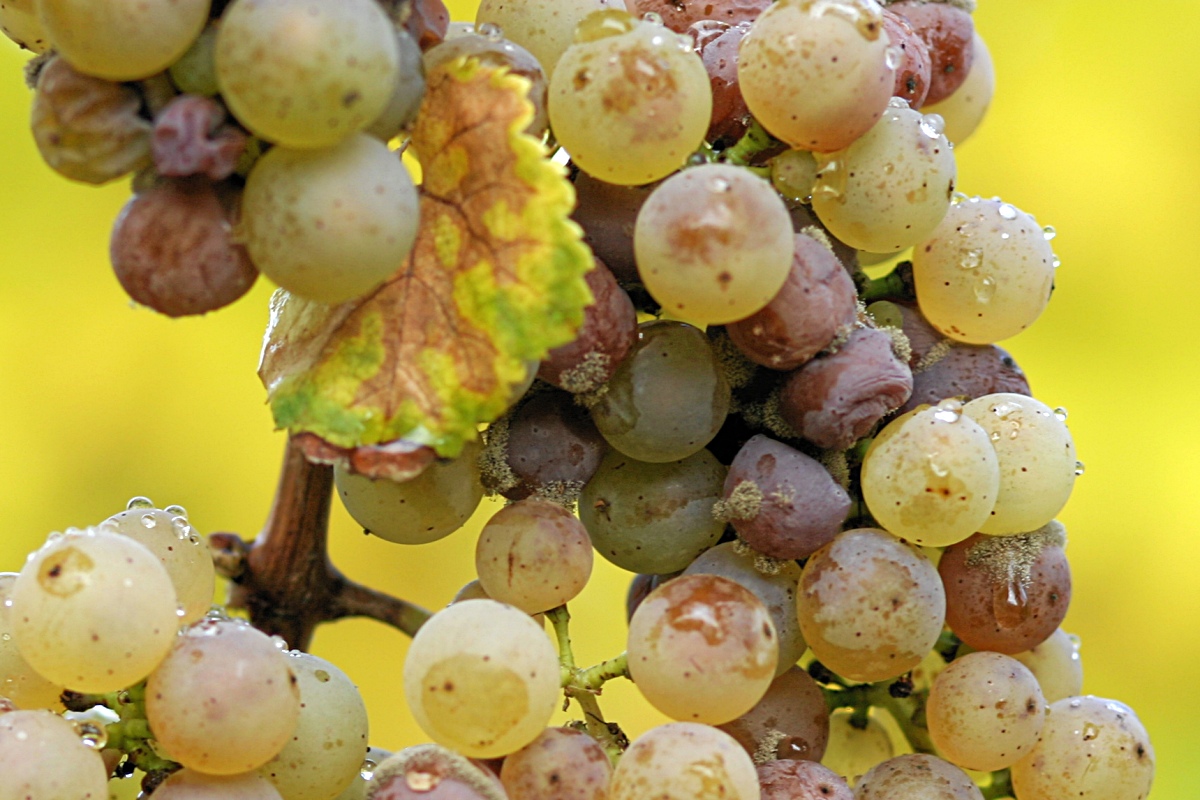
Imagine sipping wine poured straight from the barrel, letting the taste of fresh fruits and sweet spices settle on your tongue. Now imagine those citrusy, crisp flavors came from moldy grapes grown in the moldiest region possible. It's no joke, it's real. Mold in the city of Tokaj, Hungary, is responsible for some of the best wines in the country. Since two large rivers, the Tisza and the Bodrog, converge in this area, moisture and dampness take over, making it a breeding ground for fungus. But unlike wine cellars in California, France and Italy, Hungarian wineries embrace the spores. The black mold, Cladosporium cellare, thrives in the wine cellars, and Botrytis cinerea, also called “noble rot,” attacks the grapes in the vineyard. But this is one of the secrets to the famous sweet wines, like Tokaji asz.

The way it works, as I understand it, is when the mold attaches to the grapes, they dry up into solid balls of concentrated sugar. This allows for a very unique flavor to emerge. The reason fungus works in harmony with the grapes is because the vineyards are planted with furmint. Apparently, this is beneficial to fungus.

But if you want to try the full range of wines from the area, it is nearly impossible. These wines, though becoming more and more well known around the world, are a rarity outside of Hungary. So it seems a trip to the Hungarian countryside is a must in order to taste the unique complexities of these wines.

I'm a big fan of wine, trying different bottles from different regions every chance I get. But I had no idea that Hungary had a wine region comparable to Italy's Chianti or France's Bordeaux. So how did I hear about this booming wine capitol? Where else but NY Times Travel section. Evan Rail had the privilege of venturing to Hungary to sample some of their exquisite wines, and I have to say, he inspired me to travel there as well. I have always wanted to visit Budapest, and apparently Tokaj is only two and a half hours away by car. It seems like it would be a nice side trip.

Rail recommends, in his article about the vines of Hungary, that travelers rent a car when they arrive in Budapest, since it will be much easier to get around to the different vineyards. For lodging, there are a number of options, but he suggests Grof Degenfeld Castle Hotel in Tarcal and Torkolat Panzio in Tokaj. Usually special offers are available, but you will have to do some research on the deals and see if they are worth it. From Rail's descriptions of the accommodations as well as the many wines he sampled, I'd say it's definitely worth it. I probably won't be able to schedule a trip this year, and next year might be difficult, too. (I did just start my job three weeks ago, and it's not like the money's rolling in.) But wine is something I truly appreciate in life, and I think it's important to branch out.

Wine making is an art form, even when painting with moldy grapes.

Monday, October 5, 2009

It's October, Where Shall We Go?

Fall has arrived--yes, it's official now even though the first day of autumn was two weeks ago. It's October now, the weather is actually starting to cool down, and I'm leaving my apartment with a scarf, jacket, and boots every morning. Not that I'm complaining, I love my stylish, fall jackets and my adorable knee-high boots. But the question on my mind is, where should one travel this time of year?
It's difficult because of work and school to find time to go anywhere, but if one has a couple sick days stored up, Bing.com has a list of destinations that seem pretty sweet. I don't agree with every location on the list, and in fact some I would skip all together no matter what time of year it is. But there were a couple that intrigued me--because I had never been there--and some that definitely made me want to pack my bags and head to the airport.
The first one I was interested by was Maine. I have never ventured to the northern-most area of New England, but I have always heard good things. I have a friend who lives in Maine, and according to her it is unbelievably beautiful. And in the fall, I'm sure, the colors are breathtaking. And who wouldn't want to see a moose just wandering through the woods? The best way to get there, according to the article, is to fly through Boston--which I get the privilege of visiting this week (future post about the trip to come). Apparently airfare is pretty cheap right now, so why not hit up the picturesque landscapes of Maine.
Heading over to the West Coast, Napa and Sonoma made the list, and I have no objections to this at all. Um, hello, it's wine country! And fall is harvest time. Tourists will have the chance to participate in special activities as the grapes are being brought in from the vineyards such as grape stomping, wine-education courses, dinners and tastings. Being a wine lover myself, this would be an ideal trip to take with either my boyfriend or some girlfriends.
Venturing across the pond...ROMA!! When I saw this on the list, I nearly leaped out of my chair. For those who don't know--and I'm actually not sure I've ever mentioned it in this blog--I lived in Rome for four months three years ago. I was even there during the mild autumn months, and I can tell you all from personal experience it is worth the visit. This time of year is known as ottobrate romane--Rome's beautiful October days. Also, the wine will be spilling in from the vineyards, and the ripe olives falling from the tree branches. For all you chocolate lovers out there, like me, truffles are also a popular item in Italy at this time, appearing in dishes everywhere. Bring in fall "stile italiano."
Apparently Puerto Vallarta is a great place to visit this time of year. I, for one, am all for a Mexican getaway. The summer rains will have faded by this time, and the weather is temperate. In November there are a number of festivals going on in the city. Who wouldn't want to spend an autumn weekend on the beach? In a tropical enviornment? I wouldn't object to that.
Now, there were a couple places on the list I said I did not agree with, so I am going to replace those suggestions with a couple of my own...just for fun:
  • Denver, Colorado--yes I hold a bias, but it is still beautiful in the fall, especially if you head to the mountains.
  • Vancouver, British Columbia--Canada is known for it's gorgeous fall scenery.
  • Redlands, California--come on, the Redwoods have to be worth seeing in the fall.

Anywhere you think would be a good destination to go during fall???